
How to Create a Monthly Budget That Actually Works starts with understanding that budgeting should simplify your life, not restrict it. Many people give up on budgeting because their plans feel unrealistic or too strict, but a well-designed budget helps you take control of your money. When created correctly, a monthly budget allows you to track expenses easily, save consistently, and achieve your financial goals without stress or confusion.
This guide explains how to create a monthly budget that actually works in real life.
Why a Monthly Budget Is Important
A monthly budget gives you clarity about where your money is going. Without a budget, expenses often exceed income, savings become irregular, and financial stress increases. A proper budget helps you:
Control unnecessary spending
Save money consistently
Prepare for emergencies
Achieve short-term and long-term goals
Budgeting is not about cutting all expenses—it is about spending wisely.
Step 1: Calculate Your Total Monthly Income
Start by calculating how much money you earn every month. Include:
Salary (after tax)
Freelance or side income
Rental or interest income (if any)
Always work with your net income, not your gross salary. This gives you a realistic view of how much money is actually available.
Step 2: List All Fixed Expenses
Fixed expenses are costs that stay mostly the same every month, such as:
Rent or home loan EMI
Personal loan or credit card EMIs
Utility bills
Insurance premiums
These expenses should be prioritized in your budget because they are non-negotiable.
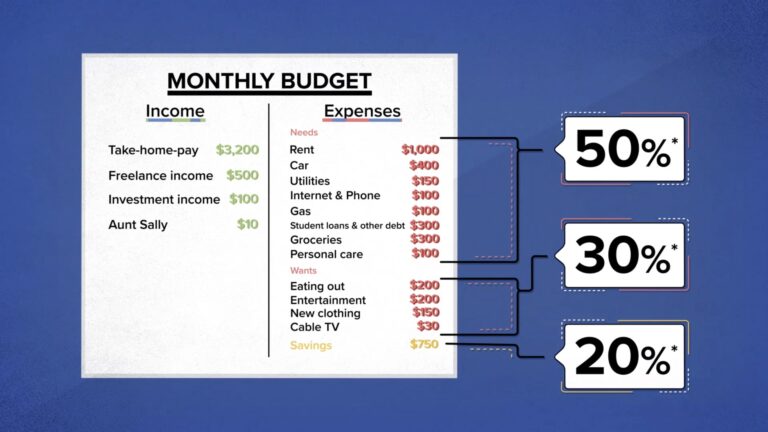
Step 3: Track Variable Expenses
Variable expenses change from month to month. These include:
Groceries
Transportation
Dining out
Shopping and entertainment
Track these expenses for at least one month to understand your spending habits. This step helps identify areas where you can reduce unnecessary spending.
Step 4: Set Saving Goals First
One of the most effective budgeting rules is “pay yourself first.”
Before spending on non-essential items, allocate a portion of your income to:
Emergency fund
Short-term savings
Investments for long-term goals
Saving first ensures consistency and builds financial discipline.
Step 5: Create a Realistic Spending Plan
Your budget should be practical and flexible. Avoid setting unrealistic limits that are hard to follow. Allocate reasonable amounts for lifestyle expenses so you don’t feel restricted. A budget that feels too strict often fails.
Step 6: Review and Adjust Every Month
A budget is not a one-time task. Review it at the end of each month and make adjustments if needed. Income, expenses, and priorities change, so your budget should evolve too.
https://www.quora.com/How-do-I-make-a-monthly-budget-that-is-effective
Common Budgeting Mistakes to Avoid
Ignoring small expenses
Not budgeting for emergencies
Setting unrealistic goals
Failing to review the budget regularly
Avoiding these mistakes helps your budget stay effective.
Conclusion
How to Create a Monthly Budget That Actually Works depends on clarity, discipline, and consistency in managing your finances. When followed properly, a well-planned budget reduces financial stress, improves savings habits, and helps you move steadily closer to your financial goals.
At Sanchi Finance, we help individuals create practical budgets and smart financial plans that fit real-life needs and lead to long-term financial stability.